

Welcome to the Thrive Lab!
We are a research group within the Social Work Integrative Research Lab (SWiRL) in the Department of Social Work at the College of Public Health. Our mission is to advance mental health and well-being through impactful research, community collaboration, and meaningful action. We focus on the experiences of minoritized youth and young adults, examining how their environments and social connections influence their mental health outcomes. Through our work, we aim to create pathways for positive change and support for vulnerable populations to THRIVE.
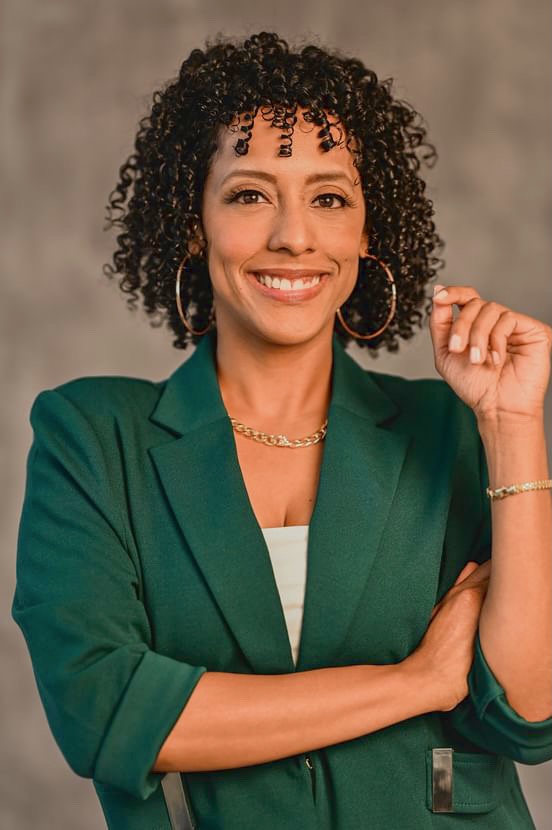
Principal Investigator
Dr. Melissa Villodas is a tenure-track Assistant Professor in the Social Work Department at George Mason University. Her research centers on understanding how social determinants of health impact the mental health of vulnerable young people while considering how to address these challenges through treatment and initiatives at the micro, mezzo, and macro levels.
Dr. Villodas investigates various environments such as neighborhoods, public housing, and schools, delving into topics like suicidality, trauma exposure, and mental health symptoms and outcomes.
Her research focus encompasses three key areas:
- Neighborhood Environment and Social Determinants of Health
- Policy, Systemic, and Community Influences on Mental Health and Well-Being
- Mental Health Interventions and Support Services
Dr. Villodas holds social work licenses in New York, Virginia, and North Carolina and possesses clinical experience working with youth in foster care and individuals across the lifespan in community healthcare and telehealth settings. She is a graduate of Nyack College (BA in English Writing), New York University (MSW), and the University of North Carolina-Chapel Hill (PhD).
Current Graduate Research Assistants
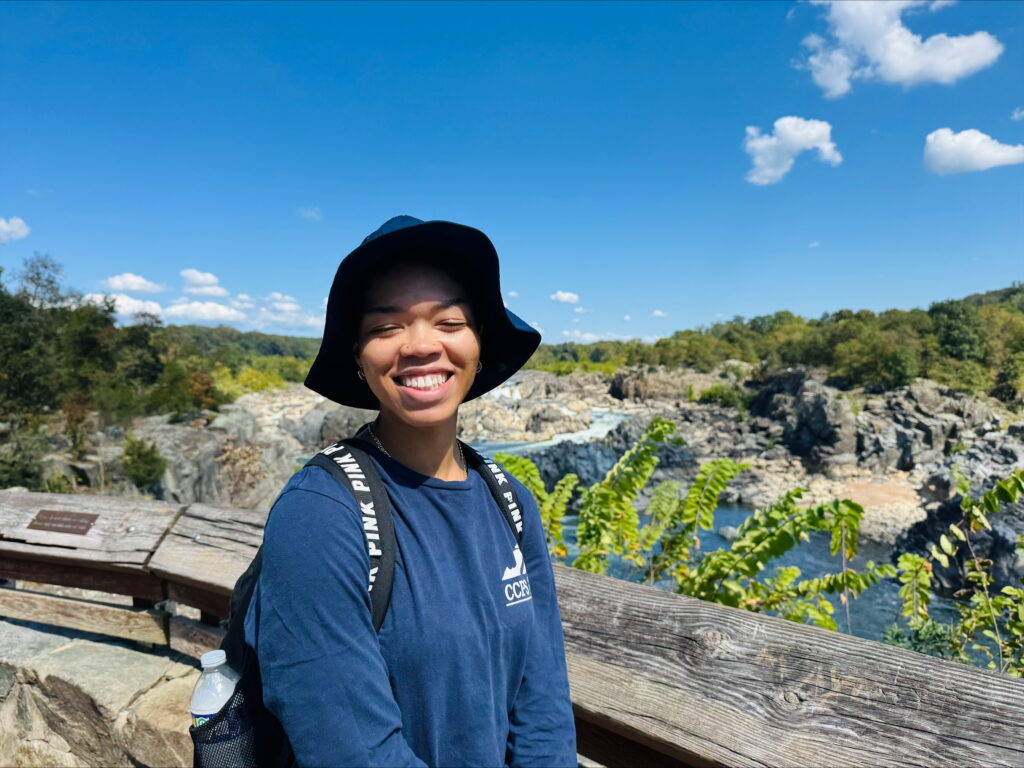
Messias Penton
Messias is a third-year graduate student in the Social Work dual degree program with the Carter School for Peace and Conflict Resolution. Messias graduated from Christopher Newport University with a BA in Political Science and a minor in Philosophy of Law, where she developed an interest in understanding how social systems, policy, and community structures impact youth and families.
Messias is passionate about creating third spaces for community connection, healing, and empowerment, recognizing the importance of belonging and collective support in addressing social challenges. Through SWiRL, Messias is eager to expand her knowledge and evidence-based practices that inform policies promoting long-term positive outcomes for marginalized youth. Outside of school, she enjoys gardening, visiting botanical gardens, and painting.
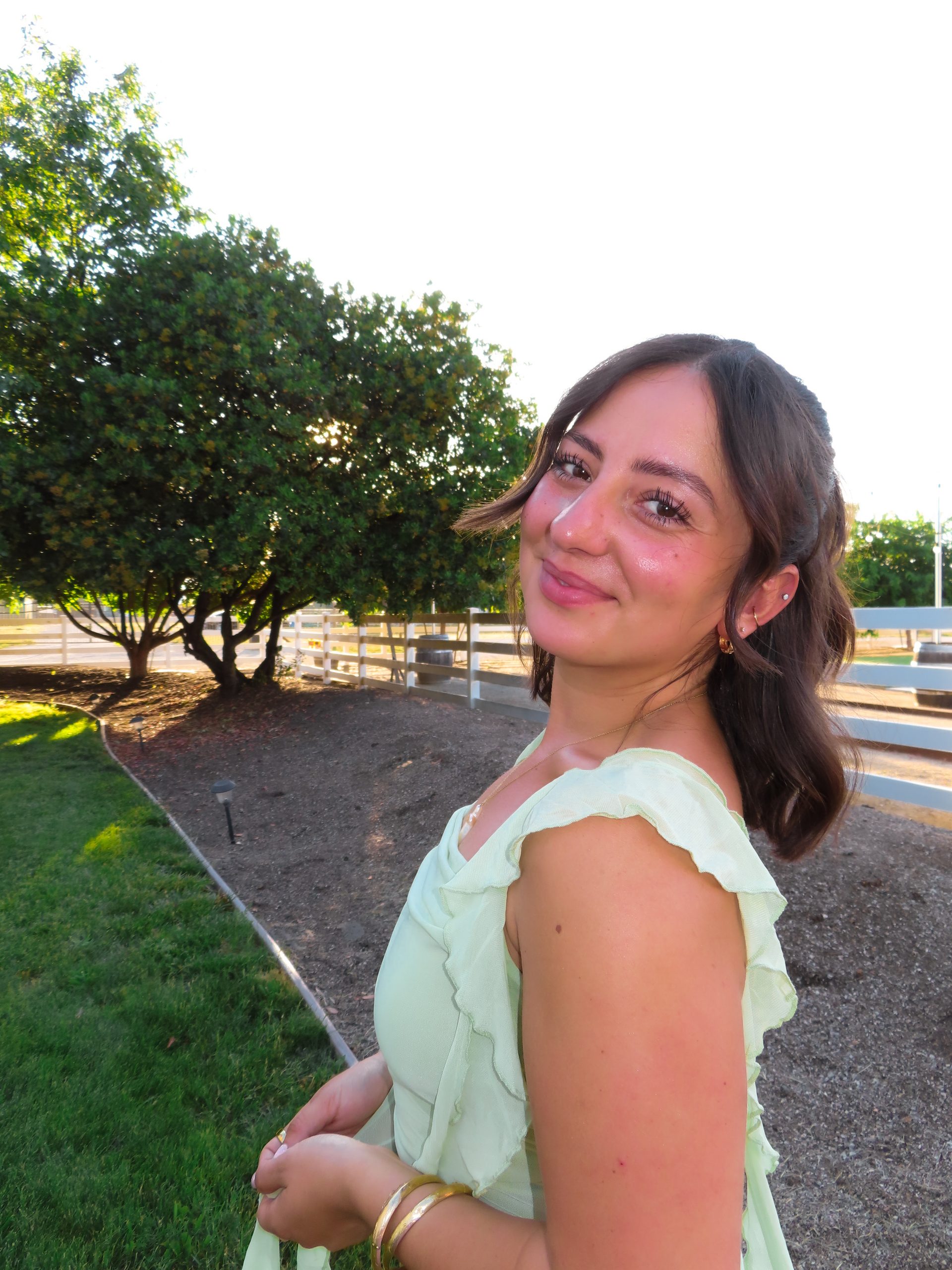
Tatiana Alarcon
Tatiana is a second-year Master of Public Health student. She graduated from the University of Nevada, Reno with a BS in Community Health Science. Her interests center on mental health promotion and prevention, particularly among children, adolescents, and young adults, and on understanding how social, environmental, and systemic factors shape health outcomes. She is especially passionate about addressing the root causes of health disparities, expanding access to culturally responsive and equitable care, and advancing prevention and early intervention. Through her work with the THRIVE Lab, she hopes to contribute to research that better understands the experiences of young people and helps translate evidence into meaningful programs and interventions. Her long-term goal is to pursue a PhD in Public Health and conduct equity-centered, prevention-focused research while working directly with communities to improve health outcomes. Outside of school, Tatiana enjoys being outdoors, traveling, running, reading, and spending time with her family.
Current Undergraduate Research Assistant
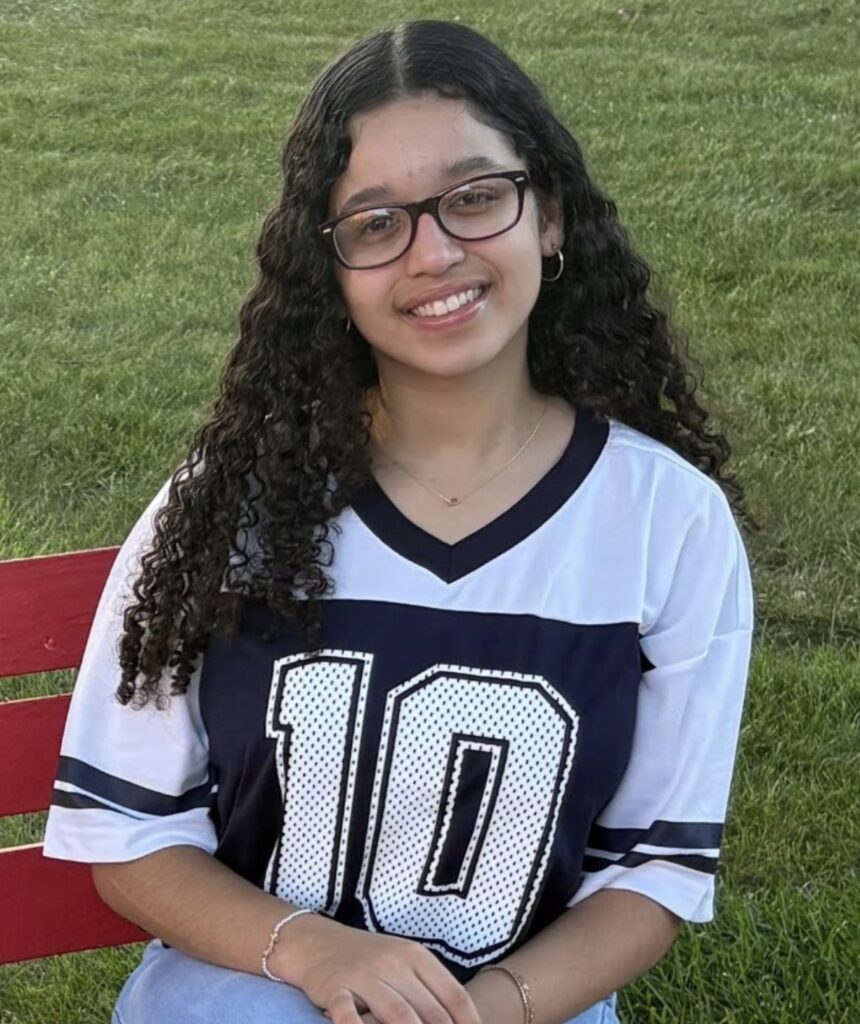
Hajar Tahri
Hajar Tahri is a second-year student at George Mason University and a member of the Honors College. She is pursuing a Bachelor of Science in Psychology and hopes to concentrate in Forensic Psychology. Hajar graduated with an Advanced Diploma from Justice High School, where she served as Vice President of her graduating class.
Through the Social Work Integrative Research Lab (SWiRL), she aims to expand her understanding of research methods and evidence-based practices related to mental health. She looks forward to building her research skills and applying them to her future career in psychology. Outside of SWiRL and her academic pursuits, Hajar enjoys weightlifting, spending time with friends, and playing the violin.
Previous Thrive Lab Members
- Natalia Acevedo, MSW
- Alicia Cruz Ervin
- Michael Wheeler, MSW
- Paris Collins
- Romina Ferrufino-Beza, MSW
- Camilia N. Rodriguez, MSW
- Chloe Pilkerton, MSW
- Thomas Smith, BSW
- Victoria N Iveljic, BSW
Active Projects
The Thrive Lab currently has an active project funded by the College of Public Health examining how social and community contexts shape anxiety and depression among young adults in the United States. The project brings together national health and community-level data to better understand how mental health patterns vary across rural and urban communities and levels of social vulnerability, while also identifying factors that may help protect young adults from these risks. This funding has supported Dr. Villodas’ access to restricted geocoded data from the National Health Interview Survey and the integration of these data with the Centers for Disease Control and Prevention’s Social Vulnerability Index. Together, these data provide an opportunity to examine changes in young adult mental health over time and better understand the community contexts in which these patterns emerge.
Previously Funded Projects
College of Public Health Seed Grant – In 2025, the Thrive Lab received funding from the College of Public Health. The project focused on partnering with LAZERA Ministries to evaluate and enhance its 1 Brotherhood Empowered Teen Mental Health and Leadership Program, which trains Black male youth along the Richmond Highway Corridor in Fairfax County, VA—a recognized mental health desert and an area of high social vulnerability—to serve as leaders in their community. The study assesses the feasibility and acceptability of the 1 Brotherhood Empowered program. Data collection has concluded. The lab continues to disseminate the project through manuscripts and program manuals, both currently in development.
Summer Team Impact Project – In the Summer of 2024, the Thrive Lab received funding from Mason Impact for the Summer Team Impact Project. The project trained 6 undergraduate researchers in research focused on reducing suicidality in Prince William County public schools by investigating the resources, programs, interventions, and services available for middle- and high-school students in this region. Students highlighted interventions, programs, or initiatives in place nationally and in Prince William County Public middle- and high-schools that offer support to students who express thoughts of suicide, as well as factors that contribute to enhanced student support, such as family involvement efforts or training for school staff.
Learn about our work
STIP 2024: Assessing Supports to Address Suicidality Among Virginian Middle- and High-Schoolers